Clear Nail Insights
What Really Kills Toenail Fungus — And Why Does It Keep Coming Back After Treatment?
Some treatments can take weeks or even months — only for the problem to return. A different explanation may reveal why.
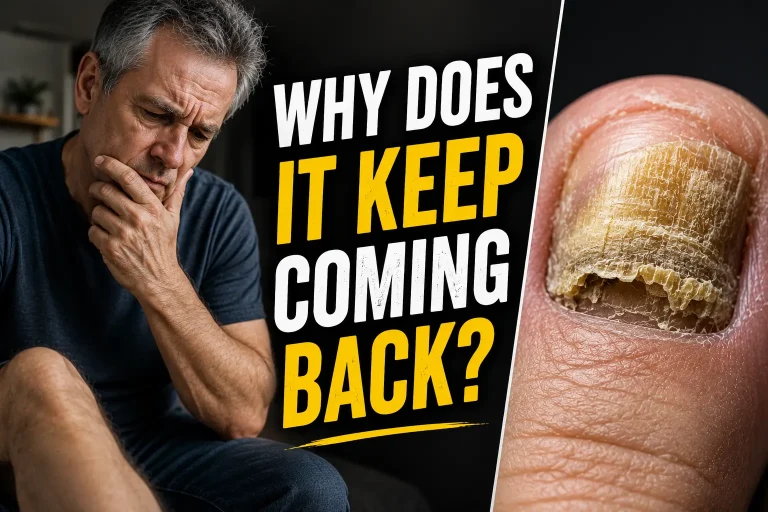
A short presentation is now examining why stubborn toenail fungus can survive repeated treatment — and the unusual approach originally developed for extreme military conditions.
Before starting another treatment, see why the last one may not have reached the real problem.
Tried To Treat Toenail Fungus Before? There's A Reason It May Keep Coming Back
For many people, getting rid of toenail fungus becomes a frustrating cycle.
You notice a yellow or thickened nail.
So you try an antifungal cream.
Maybe a medicated polish.
Maybe vinegar, Vicks, tea tree oil or another home remedy.
The nail starts looking a little better...
Then weeks later, the problem is still there — or seems to return.
That raises an important question:
If these treatments are supposed to fight fungus, why can stubborn toenail fungus be so difficult to get rid of?
The answer being explored in this short presentation challenges the idea that treating the visible surface of the nail is always enough.
Because the part of the fungus you can see may not be the part you actually need to reach.
Watch the short presentation before spending more time trying another surface treatment.
What If The Real Problem Is Deeper Than The Nail You Can See?
Toenail fungus doesn't necessarily remain on the visible surface of the nail.
According to the explanation presented in the video, stubborn fungus can become established deeper around the nail bed — the area beneath the nail where new nail growth begins.
And that's where things get interesting.
The presentation describes a sticky protective structure surrounding persistent fungus — referred to as a:
“Fungal Shield”
Think of it like a barrier.
A cream or polish may reach the outside of the nail...
…but if it doesn't adequately reach what is protected underneath, the visible nail may improve while the underlying problem remains.
That could help explain a frustrating pattern many people recognize:
Treat it.
Wait.
See improvement.
Then watch it come back.
So perhaps the better question isn't simply:
“How do I treat toenail fungus?”
It's:
“What can actually reach the fungus where it's protected?”
That question eventually led investigators somewhere unexpected.
The U.S. military.
See the mechanism presented in the video and why it changed the way this problem was approached.
Why Extreme Military Conditions Required A Different Approach
Imagine spending days with your feet trapped inside heavy tactical boots.
Heat.
Sweat.
Mud.
Moisture.
Little ventilation.
And no opportunity to wait around for a complicated routine.
According to the story presented in the video, these were exactly the kinds of conditions that created a serious challenge for military personnel operating in demanding environments.
They needed an approach designed for conditions where waiting months wasn't practical.
That requirement changed the question.
Instead of repeatedly addressing what was visible on the surface...
Researchers working on the protocol focused on the protective barrier surrounding the fungus itself.
The objective was different:
Reach the barrier.
Expose what's underneath.
Target the fungus where it survives.
And that distinction is at the center of what has become known in the presentation as the Military Antifungal Protocol.
But the most interesting part isn't simply that it came from a military setting.
It's why this approach was designed differently from conventional surface treatments in the first place.
The short presentation explains the mechanism behind the protocol and why speed became part of its design.
Before You Spend Another Month Trying To Get Rid Of Toenail Fungus...
Consider one simple question:
Are you treating what you can see — or reaching what may be keeping the fungus alive underneath?
That's the distinction explored in this short presentation.
It examines why some people cycle through creams, polishes and home treatments for weeks or months...
…only to find themselves searching once again for how to get rid of toenail fungus.
And it reveals the reasoning behind a military-inspired approach developed around a very different objective:
Target the protective barrier instead of repeatedly treating only the visible surface.
The presentation walks through:
✓ Why stubborn toenail fungus may survive repeated surface treatments
✓ What the so-called “fungal shield” is claimed to do
✓ Why the nail bed matters when dealing with recurring fungus
✓ How demanding military conditions inspired a different approach
✓ And what this protocol was designed to do differently from ordinary antifungal routines
If you've already spent weeks — or even months — trying to treat the same nail...
it may be worth understanding this distinction before starting all over again.
See why this approach was designed differently — and what the presentation says you can do next.
Frequently Asked Questions
Still Trying To Figure Out What Kills Toenail Fungus?
What actually kills toenail fungus?
The presentation argues that the key question isn't only which antifungal ingredient is used, but whether the approach can adequately reach the fungus beneath the visible nail and overcome the protective barrier described as the “fungal shield.”
The full mechanism is explained in the video.
Why does my toenail fungus keep coming back after treatment?
One explanation explored in the presentation is that some approaches may primarily affect the visible surface while persistent fungus remains protected deeper around the nail bed.
That could explain why a nail can appear to improve temporarily without the problem seeming completely resolved.
How should stubborn toenail fungus be treated?
The presentation explores a different strategy from simply repeating another cream, polish or home remedy.
Instead, it focuses on understanding where persistent fungus may survive and the protective barrier that may make it difficult to reach.
How long does it take to get rid of toenail fungus?
That can vary, and the presentation should not be interpreted as guaranteeing an individual result.
What makes the military-inspired story unusual is that the approach described in the video was developed around circumstances where a practical, fast-acting field protocol was considered important.
The presentation explains why that requirement led researchers toward a different mechanism.
What is the Military Antifungal Protocol?
According to the presentation, it is an antifungal approach inspired by methods developed for personnel facing extreme conditions involving damp, enclosed footwear and prolonged exposure to environments favorable to fungal growth.
Rather than focusing only on the visible nail, the protocol described in the video centers on overcoming the protective barrier surrounding persistent fungus.
Should I watch this before trying another toenail fungus treatment?
If you've been searching for what kills toenail fungus, how to treat toenail fungus, or how to get rid of toenail fungus, the presentation provides a different explanation for why previous approaches may not have produced the result you expected.
Before spending another month repeating the same cycle, see the mechanism for yourself.
Discover why persistent toenail fungus may be harder to reach than it appears — and what the military-inspired approach was designed to do differently.